Find a tree to plant for your pet, and a planting day to gather around
Pet ashes are strongly alkaline, at a pH of about 11.7[1], so a memorial tree needs a little planning. Tell us your climate and space, and we'll suggest trees that will actually thrive.
- Five trees ranked for your climate
- Options for pots, small yards and large gardens
- Safe planting with ashes, explained simply
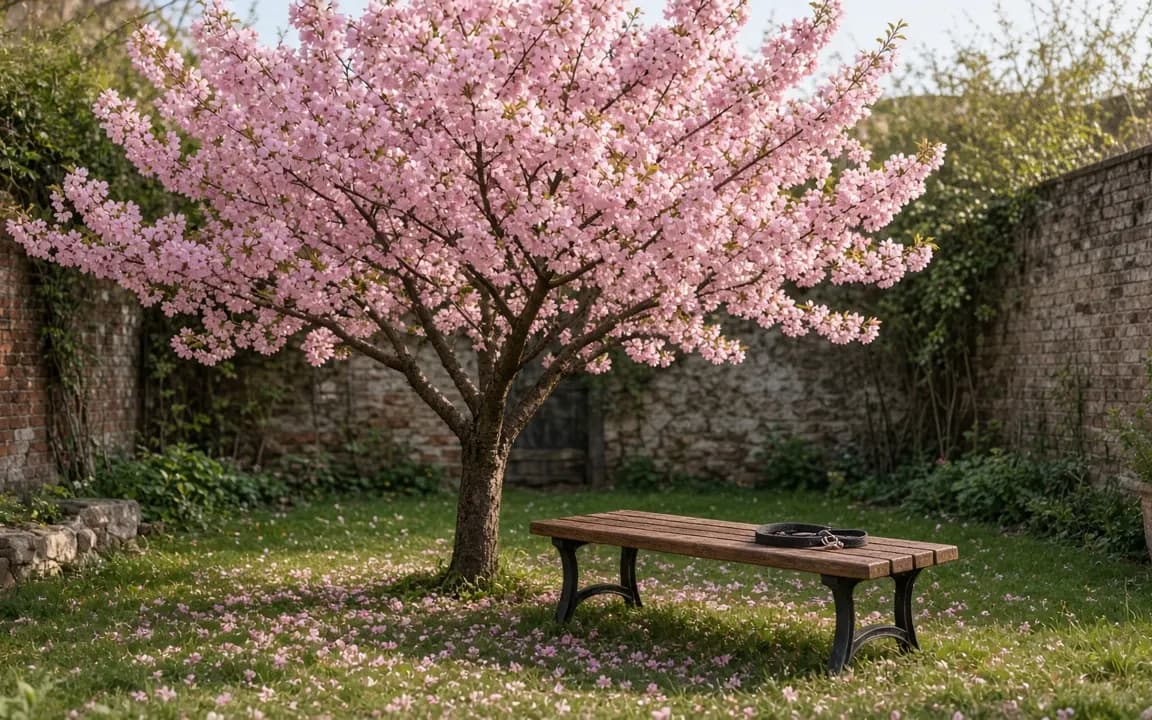
Memorial tree finder
Choose your climate, space and what you'd love the tree to do. We'll suggest a few that should thrive.
Flowering dogwood
Spring blossom and red autumn leaves; likes dappled light.
flowering, shade · strong match
Crabapple
Very hardy, with spring blossom and small fruit that birds love.
flowering, fruit · strong match
Serviceberry (Amelanchier)
White spring flowers, edible berries and fiery autumn colour. Tough and forgiving.
flowering, fruit · strong match
Eastern redbud
Pink-purple flowers on bare branches in early spring; heart-shaped leaves.
flowering · strong match
Mountain ash (rowan)
White flowers and bright red berries; traditionally a protective tree.
flowering, fruit · strong match
Planting with ashes? Cremated remains are very alkaline, so most bio urns mix them with a soil blend to protect young roots. If other pets use the garden, check that the tree's leaves and fruit are safe for them. A local nursery can confirm what grows best where you live.
Suggestions are a general guide, not a local planting plan.
Why plant
Why a planting makes a good farewell ritual
A tree gives a farewell something to do with its hands. Digging, placing the roots, each person adding a scoop of soil: it's a ritual children can join and adults find steadying. And unlike a stone, it changes with the seasons, flowering on your pet's birthday or turning gold around the anniversary.
Interest in greener goodbyes is high: 68%[2] of US consumers in the National Funeral Directors Association's 2024 survey said they were interested in green or natural burial options. By our estimate, that interest could reach around 59 million[3] US pet-owning households. A memorial tree is one of the simplest ways to act on it for a pet. Our farewell planner includes planting as a ritual option.
How it works
Three questions, five ranked suggestions
- Climate: cold, temperate, warm, or hot and dry.
- Space: a pot on a patio or balcony, a small yard, or a large yard.
- Preference: flowering, evergreen, fruit, or shade.
The finder returns five trees, top match first, each with a one-line note on what it looks like through the year and how tough it is, plus tags for what it offers. If a tree would suit a different space better, it says so. Behind it sits a hand-picked list of 22 widely sold trees: only those suited to your climate can appear, and they're ranked by how well they fit your space and your preference. No prices or stats are involved; it's there to spark the right idea. If you're unsure of your climate, think about winters: regular hard frosts mean cold; occasional frost means temperate; almost none means warm; and long dry summers with little rain mean hot and dry.
Example
Worked example: a small city yard in a temperate climate
A family in a mild, rainy area has a small back yard and wants something that flowers in spring, when their dog was born. They choose temperate, small yard and flowering.
| Tree | Why it fits | Watch out for |
|---|---|---|
| Flowering dogwood | Showy spring bracts, red autumn leaves | Prefers dappled light and slightly acidic soil |
| Crabapple | Blossom, then small fruit birds love | Dropped fruit on paths |
| Serviceberry | White spring flowers, edible berries, autumn color | Can send up suckers at the base |
| Eastern redbud | Pink-purple flowers on bare branches | Seedlings pop up nearby |
| Mountain ash (rowan) | White flowers, then bright red berries | Prefers cooler summers |
They pick a serviceberry, plant it on a Sunday morning with the dog's leash looped around the stake for the day, and ask each person to add a handful of soil. The whole ceremony takes fifteen minutes.
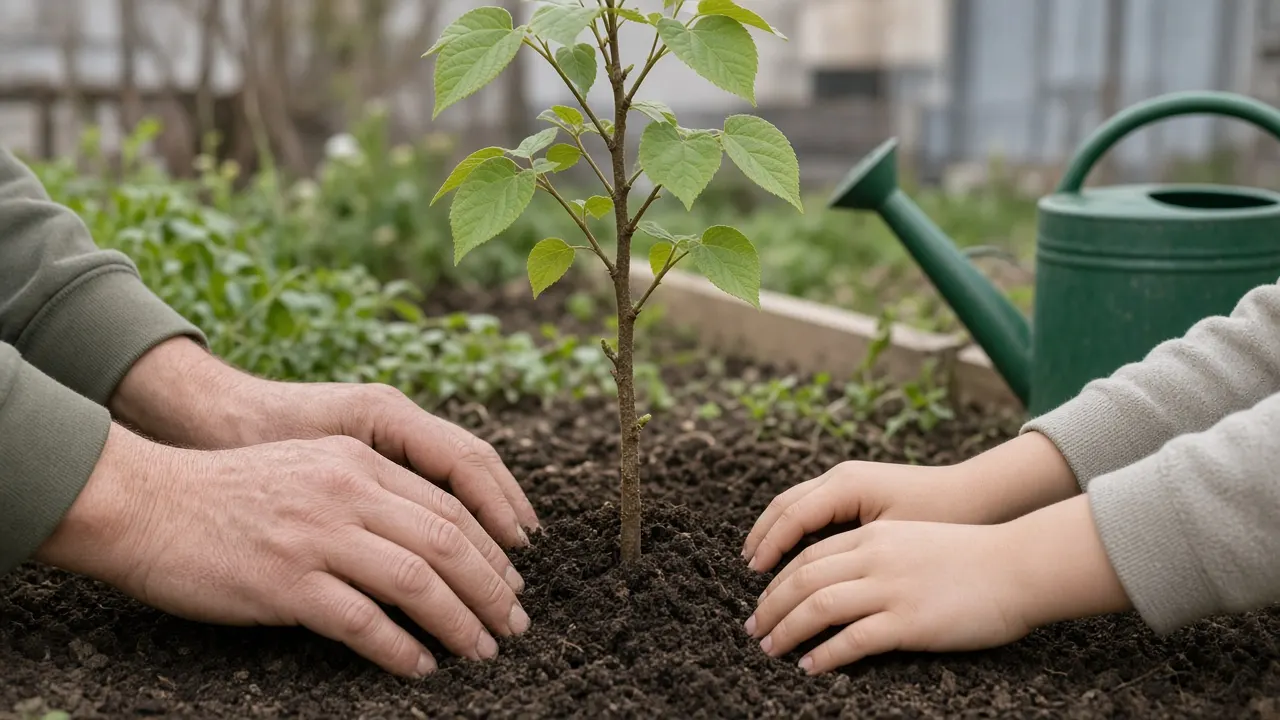
Planting with ashes
How to plant a tree with ashes without harming it
Cremated remains are very alkaline and high in salt, so pouring them straight around roots can damage a young tree. The usual advice is to mix ashes with plenty of soil or a soil amendment and let the mixture rest before planting. One gardening guide suggests waiting 90–120 days[4].
- Mix ashes thoroughly with compost or a purpose-made amendment.
- Place the mix a little away from the root ball, not directly on it.
- Or plant the tree now and add a small, well-mixed portion of ashes later.
- Bio urns designed for trees handle this for you; some offer 30+ species[5] to choose from.
If you'd rather not plant ashes at all, a tree is just as meaningful on its own. Many families keep the ashes in an urn and plant the tree as a separate living memorial. Our article on environmental choices for pet ceremonies covers other low-impact rituals.
The ceremony
Turning the planting into a farewell
Timing matters more for trees than for most memorials. Most are planted in spring or autumn, so a planting ceremony often becomes a second gathering, weeks or months after the first goodbye. That's a gentle rhythm: a quiet farewell at the time of death, then a hopeful one when the ground is ready. Our comparison of home and outdoor ceremonies helps you pick the setting.
Keep the ceremony simple: gather, say a few words, plant, water, and share something to eat. A small stone or tag at the base can carry your pet's name; the memorial stone planner checks your wording fits. For hosting ideas, see our guide to celebration-of-life logistics.
When would you hold the farewell?
Tap an answer to vote and see how others answered. Anonymous.
Honest limits
What the finder can't tell you
It can't see your soil, sun or drainage, and it doesn't know local planting rules or invasive-species lists. A local nursery is the right place to confirm a choice. If you rent, a tree in a large pot can move with you. And if you're planting in a shared or public space, ask permission first; in some countries, burying ashes or remains in parks is not allowed. In England, the Environment Agency's rules on animal burials explain where whole remains can and can't go.
Ready to plan the full farewell? Add the tree to your memorial budget planner, or tell us where you are and we'll email local cremation and memorial options.

Reader polls
What would you choose?
Vote anonymously and see how other readers answered. The results are live counts from people who visit this site, so they show real opinions, not a scientific sample.
Which ritual would you most want at a pet's farewell?
Tap an answer to vote and see how others answered. Anonymous.
When would you hold the farewell?
Tap an answer to vote and see how others answered. Anonymous.
Which memorial feels most like your pet?
Tap an answer to vote and see how others answered. Anonymous.

Free tools to help you plan
Memorial tree finder
Pick a tree for a planting urn that suits your climate, space and pet.
Memorial stone planner
Plan size, material and engraving length so your wording fits the stone.

Farewell & memorial service planner
Build a simple goodbye: who, where, readings, rituals and a checklist.
Questions people ask
What is a good tree to plant for a pet?
One that suits your climate and space. Small flowering trees like crabapple, serviceberry or dogwood suit most gardens; a dwarf fruit tree or Japanese maple works in a large pot. Choose something that flowers or colors at a time of year that meant something to you.
Can I bury pet ashes under a tree?
Yes, with care. Ashes are highly alkaline and salty, so mix them well with soil or an amendment and keep them away from the roots, or use a bio urn made for planting. Planting a small portion is kinder to the tree than all of the ashes at once.
When is the best time to plant a memorial tree?
For most trees, spring or autumn, when the soil is workable and the weather is mild. That often means the planting happens weeks after your pet's death, which many families find is a good time for a second, gentler gathering.
What if I move house after planting a memorial tree?
Consider a tree in a large container, which can move with you, or plant at a relative's home or a place you'll keep visiting. Some families take a cutting or plant a second tree at their new home as a way of carrying the memorial with them.


Sources and our estimates
- [1] Cremated remains have a very high pH of approximately 11.7, which is toxic to plants without amendment. Larkspur Conservation — Giving Cremated Remains a New Life Through Science, 2024.
- [2] 68% of respondents to NFDA's 2024 Consumer Awareness and Preferences Survey expressed interest in green funeral or natural burial options. NFDA — Green Burial Resources for Funeral Professionals, 2024.
- [3] About 59 million U.S. pet-owning households may be open to eco-friendly aftercare options. Our estimate: 86.9M pet households x 68% interested in green funeral options. How we calculate.
- [4] Gardening Know How advises letting an ash/soil-amendment mixture sit for at least 90 to 120 days before planting. Gardening Know How — Planting With Cremains: Is There a Safe Way to Bury Ashes, 2024.
- [5] The Living Urn offers more than 30 tree species for its bio-urn planting system. The Living Urn — FAQ, 2026.
Planning a planting ceremony? Get local help
Tell us what you need and where you are. We'll reply by email with clear options and prices so you can decide in your own time.