Planning a goodbye for your pet in Lincoln
Around 9,250 Lincoln families lose a dog or cat each year, by our estimate. Some hold a garden farewell, some book a viewing room, some choose a cemetery plot. Here's what each involves locally.
- Home, garden or viewing-room farewells
- Witnessed cremation and cemetery burial explained
- Plan it all within a day if you need to

Lincoln, Nebraska
What planning a pet funeral in Lincoln is like
A farewell for a pet in Lincoln might mean sitting together on the living room floor before the pet leaves, and later a small gathering on family land once the ashes are home. Some families like to attend a private cremation. Let us know which of these you want, and the options we email will reflect it. A spring planting can come later.
Lincoln's university and veterinary community mean support for pet loss is within reach. If a child is grieving, especially a child who raised an animal for 4-H or the county fair, honest words and a real role in the farewell help. If sadness lingers for months, speaking with a counselor who understands pet loss is a sensible next step. So can a small ritual on the anniversary.
If you want a graveside service, check early whether there's a pet cemetery that serves Lincoln. Some mid-size cities have one, many rely on a cemetery in a neighboring area, and a few human cemeteries now set aside a pet section. Ask about opening fees, weekend services and whether you can bring your own flowers and readings.
Lincoln's population is around 301,522, the 2nd-largest of the 11 Nebraska communities we cover. The nearest larger centre is Omaha, about 50 miles (81 km) away, which is where some providers serving Lincoln are based.
Nearby, we also have local pages for Papillion (40 miles), Fremont (45 miles) and Bellevue (47 miles), which can help if your vet or the provider you prefer is based there.
Our estimate
110,000
Lincoln: dog- or cat-owning households, our estimate
How we calculated this
301,522 ÷ 2.5 = 120,609 households; × 53% (dog) + 39% (cat) = 110,000. A household with several pets counts once.
Our estimate
9,250
Lincoln families who lose a dog or cat each year (estimate)
How we calculated this
110,000 dog/cat-owning homes ÷ average lifespan (dog: 12.69 yrs + cat: 11.18 yrs) ≈ 9,250 a year. Treat it as a minimum.
53%[1]
53% of US households own a dog, which is about 71 million households.
12.69 years[2]
US dogs have an average life expectancy at birth of 12.69 years.
39%[3]
39% of US households own a cat, which is about 53 million households.
11.18 years[4]
US cats seen at Banfield hospitals have an average life expectancy at birth of 11.18 years.
The published sources behind those figures are American Pet Products Association (APPA) 2025 State of the Industry and Montoya et al. 2023, Frontiers in Veterinary Science.

Faith, tradition and pet goodbyes in Nebraska
Cremation now accounts for about 62.2%[5] of deaths in Nebraska, but burial still has deep roots. You may find the family split, with older relatives wanting a grave and younger ones preferring ashes at home. Burying the ashes after cremation often settles it: there's a place to visit, and the ceremony can wait for good weather.
That Nebraska rate is a human one, published by NFDA 2024 Cremation & Burial Report state projections (via Occasional Sage) (2024). We quote it for Lincoln only as a pointer to how families here already think about cremation.
Planning an outdoor goodbye in Lincoln's climate
Plan the outdoor part of a farewell around Lincoln's seasons. Summer ceremonies work best early in the morning, with shade and water. Winter ones work best short and close to a warm house. The shoulder seasons are the easiest time for a garden burial, a tree planting or a scattering, so many families wait for them.
Lincoln has both extremes: highs around 89°F in July and freezing lows in January, February, March, November and December. In summer, hold a home farewell within hours and keep your pet cool. In winter, you have more time but frozen ground, so many families choose cremation and bury the ashes in a spring or autumn ceremony.
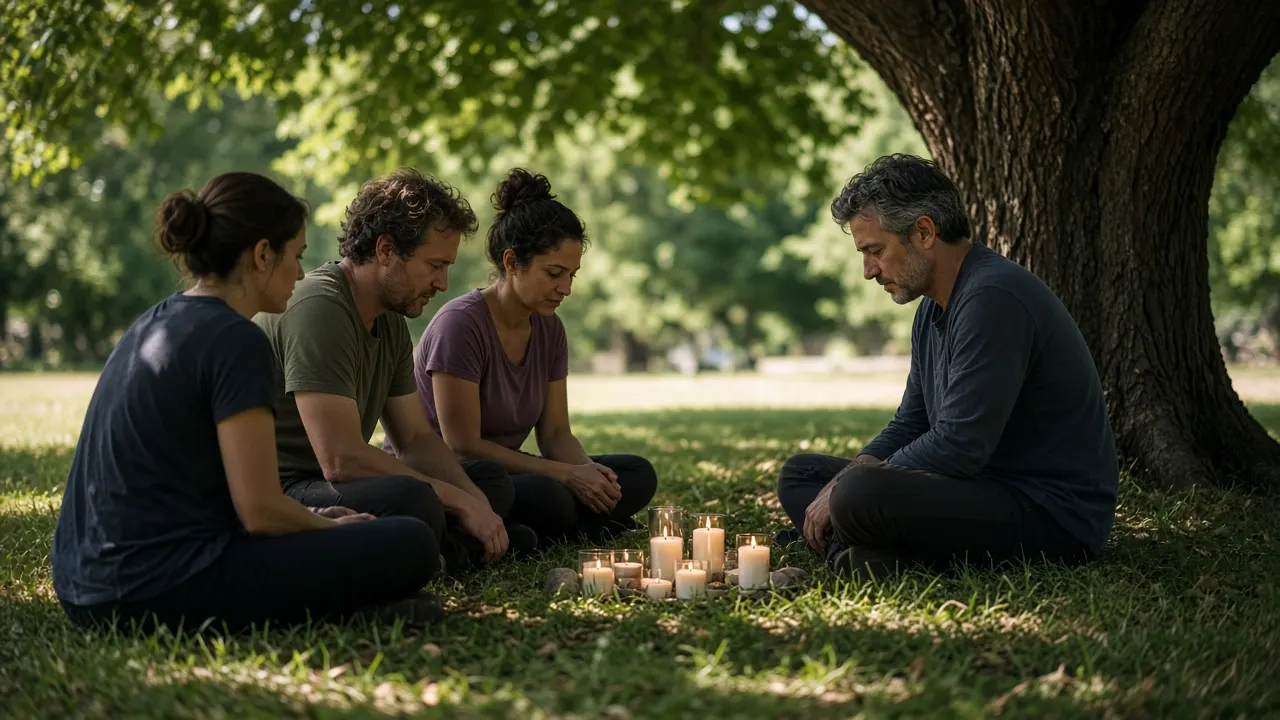
Where the money goes in a Lincoln pet funeral
It helps to see the whole bill at once. By our estimate, a typical US dog's end-of-life care comes to about $670 with a home euthanasia and private cremation, against about $399 when the goodbye happens in the clinic [6]. The farewell on top can be as small as a candle or as large as a cemetery service, so decide where the goodbye happens first.
We keep the detailed Nebraska price table on one page so it stays current: see Nebraska prices.

Free tool
Memorial budget planner
Add up cremation, urn, keepsakes and a farewell so the total holds no surprises.
Local rules worth checking in Nebraska
A grave in the garden stays with the house when you sell it, which is the question few people ask at the graveside. Before you bury, think about where you'll be living in five or ten years, then check the Nebraska notes below.
Nebraska keeps an official directory of local governments; use it to reach the county or city office that covers Lincoln.
Home burial and scattering are governed at the Nebraska level first; our Nebraska rules summary has the detail. Then check whether Lincoln or your HOA adds anything.
What to do first, and what can wait
- Call the nearest emergency vet wherever you are. They can confirm the death, keep your pet cool and explain what's possible locally.
- Decide whether to bring your pet home or arrange cremation near where you are. Crossing a border or boarding a plane with a body is rarely simple.
- If you cremate away from home, find out how you'll get the ashes back: kept until you can pick them up, or posted with tracking and a signature on delivery.
- Say a short goodbye at the clinic before you leave, however incomplete it seems. A proper farewell can wait until you're back home.
- Keep the vet's paperwork and receipts in case an insurer, airline or border officer asks for them.
- Hold the family farewell once your pet or the ashes are home, which gives everyone who didn't travel a share in the goodbye.
After the farewell: ways to keep the memory close
Losing a pet during a long Nebraska winter can feel especially heavy, with short days and fewer reasons to get out of the house. Grief for an animal is real and can last for weeks. Catch what daylight you can, keep your mornings structured, and let friends who knew your pet share their memories with you. Online support groups are available day and night.
the guides answer the longer questions and the blog the newer ones, See what each option includes on our services page, or compare your instinct with the poll results, try the free planning tools. If you live between Lincoln and Kearney, Omaha, Norfolk and Grand Island, either page applies. Every other community in Nebraska, and all of the United States, is listed too.

Reader polls
What would you choose?
Vote anonymously and see how other readers answered. The results are live counts from people who visit this site, so they show real opinions, not a scientific sample.
When would you hold the farewell?
Tap an answer to vote and see how others answered. Anonymous.
Who would you want at your pet's farewell?
Tap an answer to vote and see how others answered. Anonymous.
If you had to decide today, which aftercare would you choose for your pet?
Tap an answer to vote and see how others answered. Anonymous.

Free tools to help you plan
Memorial budget planner
Add up cremation, urn, keepsakes and a farewell so the total holds no surprises.

Farewell & memorial service planner
Build a simple goodbye: who, where, readings, rituals and a checklist.

Aftercare options compared
Compare private, communal and water cremation with burial on cost, timing and what comes home.
Questions people ask
How many pet owners live in Lincoln?
By our estimate, about 110,000 households in Lincoln have at least one dog or cat, and around 9,250 are lost each year. We calculate this from the city's population of about 301,522, the average household size and national ownership and lifespan figures, so treat it as a floor rather than an exact count.
Can a provider from a neighbouring town collect from Lincoln?
Usually yes. Papillion is about 40 miles away, Fremont is about 45 miles away and Bellevue is about 47 miles away, all inside a normal collection radius. Get the mileage written into the quote so there is no surprise on the day.
How do Nebraska attitudes to cremation compare?
NFDA 2024 Cremation & Burial Report state projections (via Occasional Sage) (2024) puts the Nebraska human cremation rate at about 62.2%[5]. We show it on the Lincoln page because pet aftercare choices tend to track it: where cremation is normal for people, communal and private pet cremation are both easy to find.
Will I have to travel to Omaha to arrange things?
Not usually. Providers based in Omaha (roughly 50 miles from Lincoln) collect from here as a matter of routine, and the paperwork is done by email or phone. If you want to be present for a witnessed cremation, that is when the drive matters.
Can I keep my pet in the garage until spring in Lincoln?
For a few days in cold weather, a sealed container raised off the concrete in an unheated garage can work, as long as wildlife and other pets can't get in. For weeks, it rarely does: temperatures swing above freezing on sunny days. If you want a spring burial, choose cremation now and bury the ashes when the ground softens, or ask a pet cemetery whether they can hold your pet.
Can I bury my pet at home in Nebraska?
In many places, yes, with conditions such as depth, distance from wells and waterways and whether you own the land. Rules can differ within Nebraska, and homeowner associations and leases can be stricter. Check with your city or county before digging. If you might move, burying the ashes in a planter keeps the grave portable.


Sources and our estimates
- [1] 53% of US households own a dog, which is about 71 million households. American Pet Products Association (APPA) 2025 State of the Industry, 2025.
- [2] US dogs have an average life expectancy at birth of 12.69 years. Montoya et al. 2023, Frontiers in Veterinary Science - Banfield Pet Hospital life expectancy tables (13.3 million dogs, 2.4 million cats, 2013-2019), 2023.
- [3] 39% of US households own a cat, which is about 53 million households. American Pet Products Association (APPA) 2025 State of the Industry, 2025.
- [4] US cats seen at Banfield hospitals have an average life expectancy at birth of 11.18 years. Montoya et al. 2023, Frontiers in Veterinary Science - Banfield Pet Hospital life expectancy tables (13.3 million dogs, 2.4 million cats, 2013-2019), 2023.
- [5] The NFDA projected Nebraska's cremation rate at 62.2% for 2024. NFDA 2024 Cremation & Burial Report state projections (via Occasional Sage), 2024.
- [6] A typical US dog end-of-life bill is about $670 with at-home euthanasia plus private cremation, versus about $399 with clinic euthanasia plus private cremation. Our estimate: 410 + 260 = 670; 139 + 260 = 399. How we calculate.
- [7] Across five posted US pet-cemetery price lists, the median whole-body burial for a small pet, including plot and opening/closing, was about $350. Our estimate: median of [Rainier $150 plot incl. first burial, Cedar Bend $290, Forest $350, Great River $750, Precious Memories $1,500]. How we calculate.
Plan your pet's farewell with us
Tell us what you need and where you are. We'll reply by email with clear options and prices so you can decide in your own time.